The businessman who stood up to Hitler
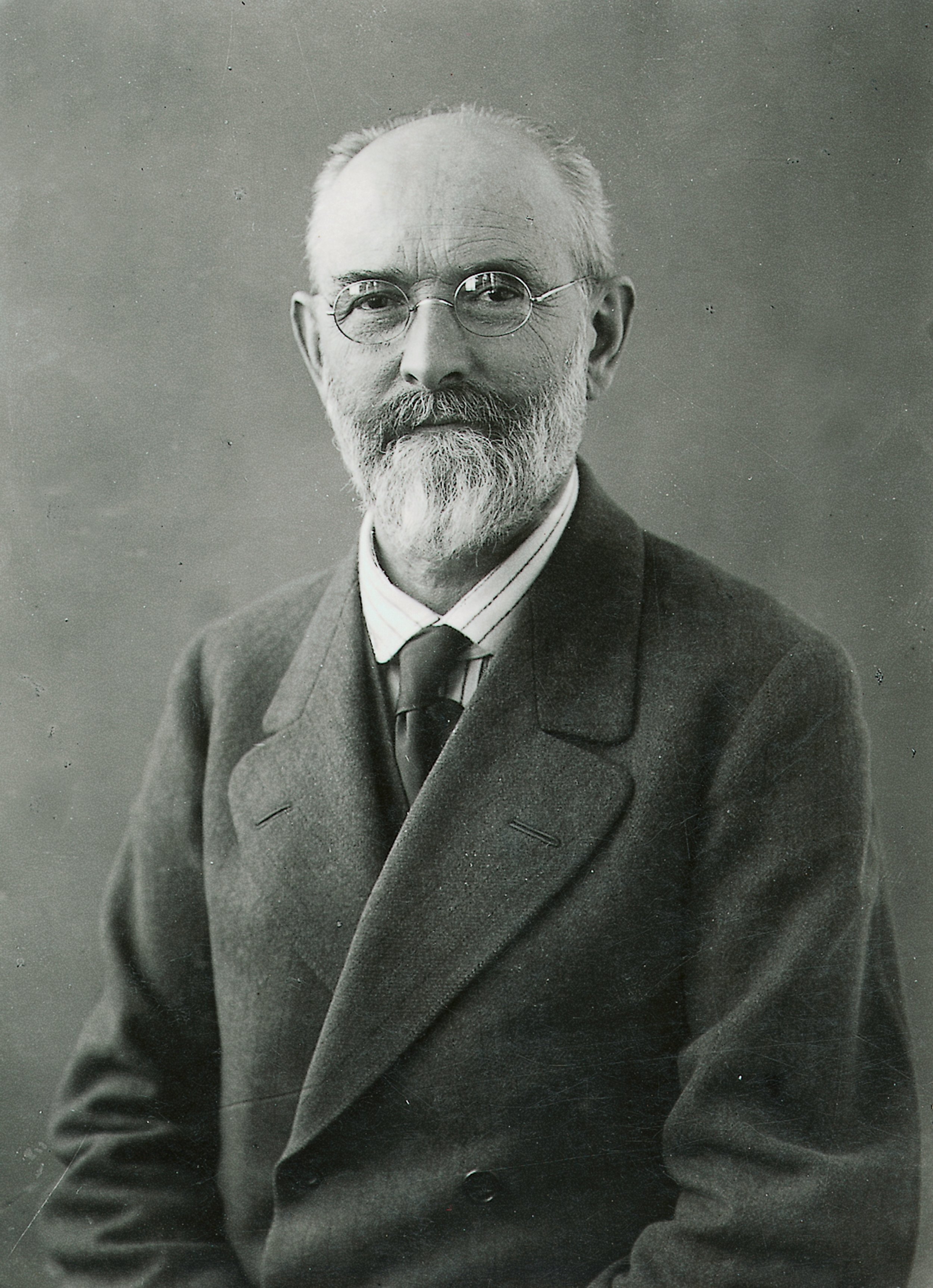
“This individual wants to be a statesman and doesn’t know what justice is” - Robert Bosch after meeting Hitler
He was the German industrialist who opposed the Nazis, but whose firm still used forced labour. Robert Bosch, whose firm still makes vacuums, washing machines and other kitchen appliances today, was one the few tycoons of his time prepared to stand against Hitler.
An old school businessman and philanthropist, Bosch provided pioneering benefits to his workers, including an eight hour day and paying above average wages.
In 1926, Bosch had been a founding member of Germany’s Association for Defence Against Antisemitism and when Hitler took power seven years later, he resolved to work against him. However, the 72-year-old knew he would have to be a little more subtle.
In 1937, he appointed Carl Goerdeler, a former Leipzig mayor and prominent civilian member of Der Widerstand, to be his “business advisor”, though Bosch had little need for Goerdeler’s background in finance.
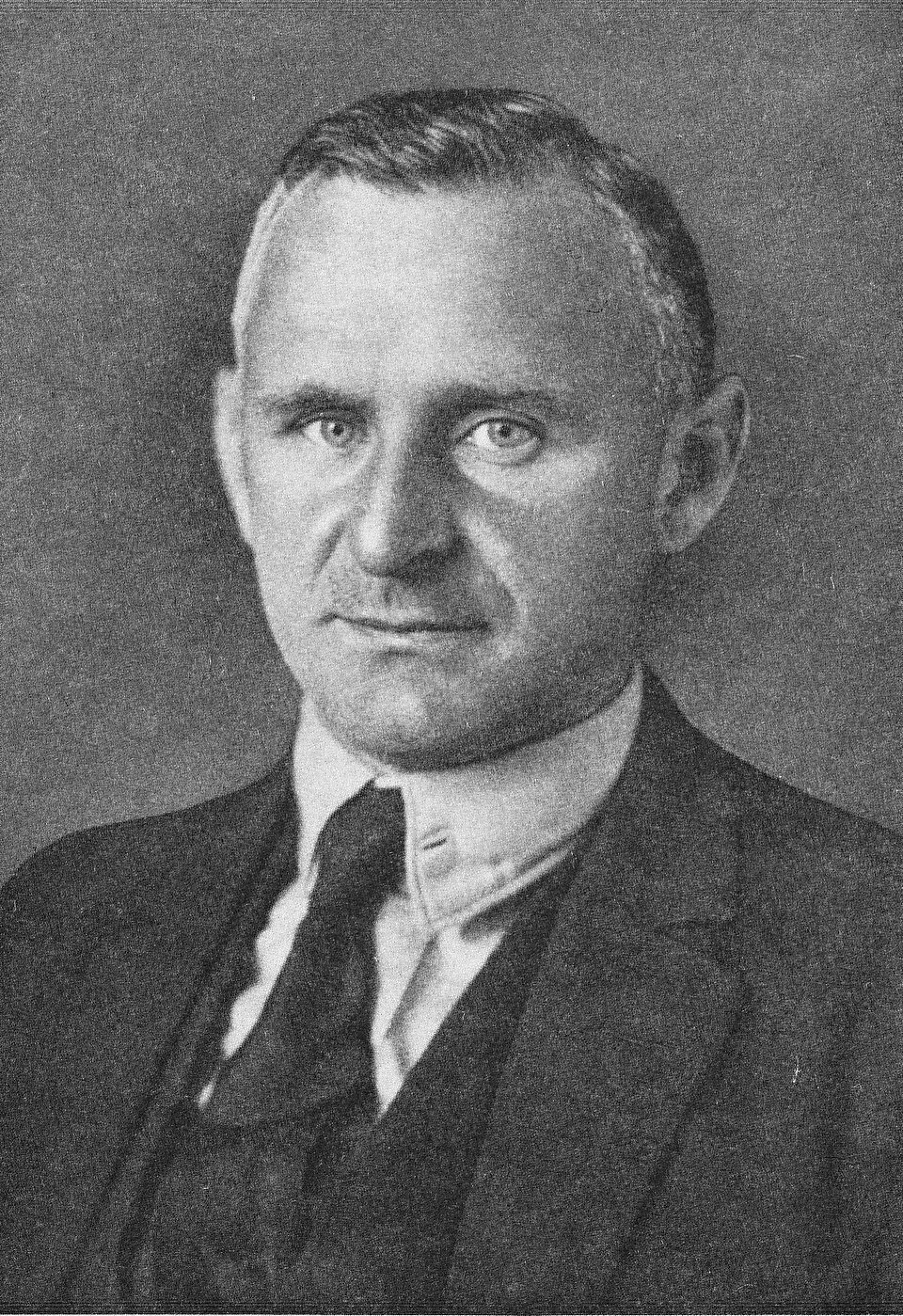
“I ask the world to accept our martyrdom as penance for the German people” - Carl Goerdeler’s last letter from prison before his execution
Instead, he saw someone who could replace Hitler as chancellor if the Nazi dictator was ever overthrown and knew that appointing him as an advisor would give Goerdeler cover for foreign travel. Bosch also hired Jews to prevent them being deported to concentration camps and funded others’ emigration before the Nazis shut it down. Bosch allocated 450,000 Reichsmarks (around US$2.5m in today’s money) to such resistance activity, though - like his contemporaries in Der Widerstand - Goerdeler’s travels achieved little in real terms. Unlike some of the pacifists in the resistance movement, Bosch was fully prepared to see Hitler assassinated, and questioned aloud why it had not been done, according to his daughter Eva.
He died in 1942, before the botched 1944 attempt to do so, and the man whose death he sought ordered he be given a state funeral for propaganda purposes, deeming him a Pioneer of Labour.
Bosch’s passing from an ear infection probably saved him from a lot worse two years later when Claus Stauffenberg’s bomb failed to kill Hitler. In the Gestapo investigation which followed, Goerdeler and Bosch’s employees Willy Schloßstein, Albrecht Fischer and Paul Hahn were thrown into jail.
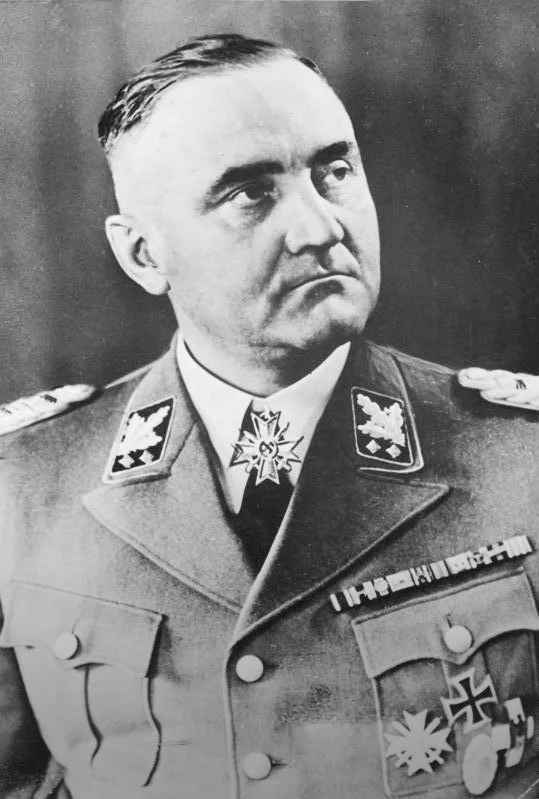
SS General Gottlob Berger, a war criminal, saved Bosch’s men
Salvation for Schloßstein, Fischer and Hahn came from a most unlikely source. Robert Bosch had been friendly with a schoolteacher named Gottlob Berger, whose son Gottlob Jr, grew up to be an SS General. Berger, whose activities in Poland had included organising the round up of 50,000 children for use in slave labour back in Germany, managed to get Schloßstein released and saved Fischer and Hahn from the guillotine. The evidence against Goerdeler was too strong, however, and he was executed in February 1945. Bosch’s activities contrasted sharply with some of his peers, such as steel magnate Gustav Krupp, Herman Schmitz of Zyklon B maker IG Farben and Ferdinand Porsche, who was made an honorary colonel in the SS.
That is not to say his firm had entirely clean hands: like every other firm in Germany, Bosch GmbH was obliged to use slave labour due to its role in the armaments industry, something which caused Bosch "dark hours" during the final years of his life, his children said.
In 1969, Robert Bosch’s successor Hans Walz accepted the title of “Righteous Among the Nations” bestowed by the Yad Vashem Shrine of Remembrance in Israel.
