Dinner parties and horse rides which hid a deadly struggle for Germany’s future
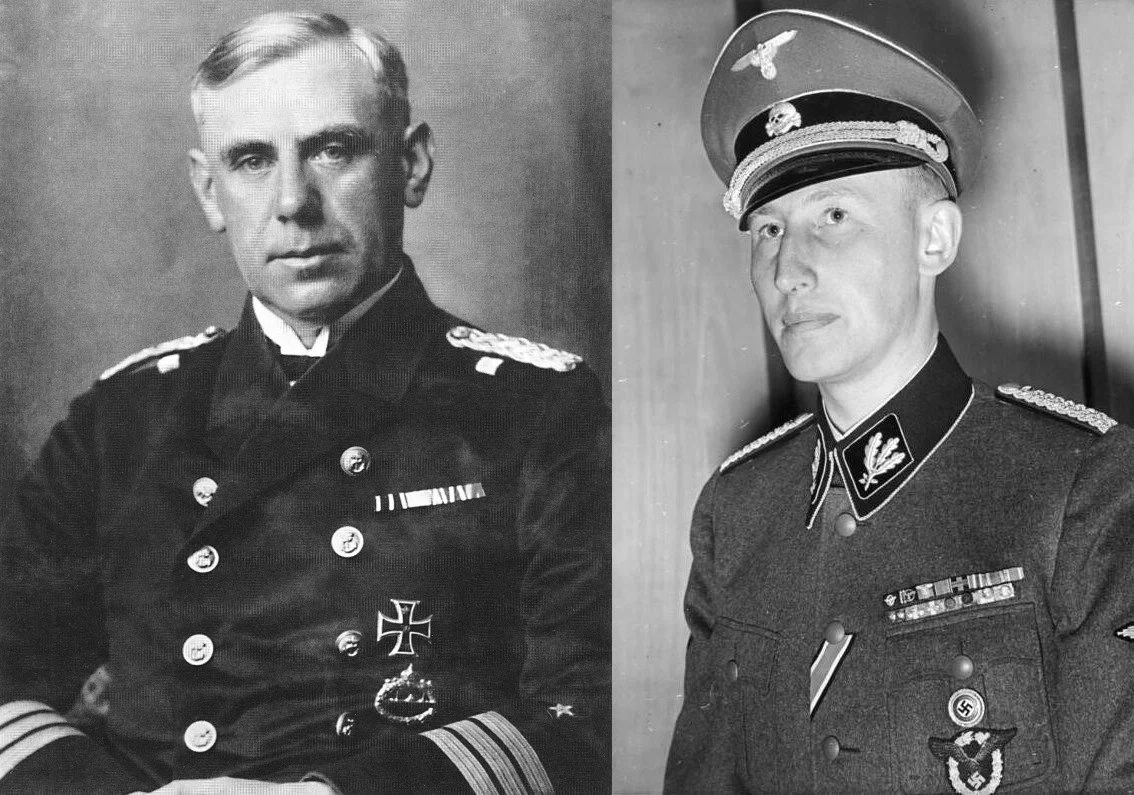
Admiral Wilhelm Canaris and former subordinate Reinhard Heydrich, who endlessly schemed to usurp him
In January 1935, newly-appointed head of German military intelligence, the Abwehr, Admiral Wilhelm Canaris, met Obergruppenführer Reinhard Heydrich, chief of the SS intelligence wing, the SD. The occasion was to sign the 'Ten Commandments' dividing duties between both spy agencies.
The two men had known each other since 1922, when Heydrich had joined the navy and served on a ship under Canaris's command. Indeed, Canaris had introduced Heydrich to intelligence work before his arrogant young subordinate was cashiered from the navy for abandoning a pregnant mistress.
On the surface, Canaris and Heydrich had a friendly relationship and frequently went riding together in the Grunewald forest in west Berlin.
Heydrich also bought a home around the corner from Canaris in Berlin's Schlachtensee district and would play the violin with Canaris's cellist wife Erika while Canaris cooked a saddle of wild boar.
But in reality, Heydrich constantly sought to undermine his old boss and make the SD the most powerful intelligence agency in the Reich. Canaris was aware of this and the Ten Commandments were an attempt to formalise their respective powers.
In basic terms, the document assigned espionage abroad to the Abwehr and domestic spying to the SD. The Commandments also required the Abwehr to denounce any treasonous activity it discovered to the Gestapo, but Canaris secured a crucial carve-out: if such reporting would jeopardise intelligence gathering, the Abwehr could hold off.
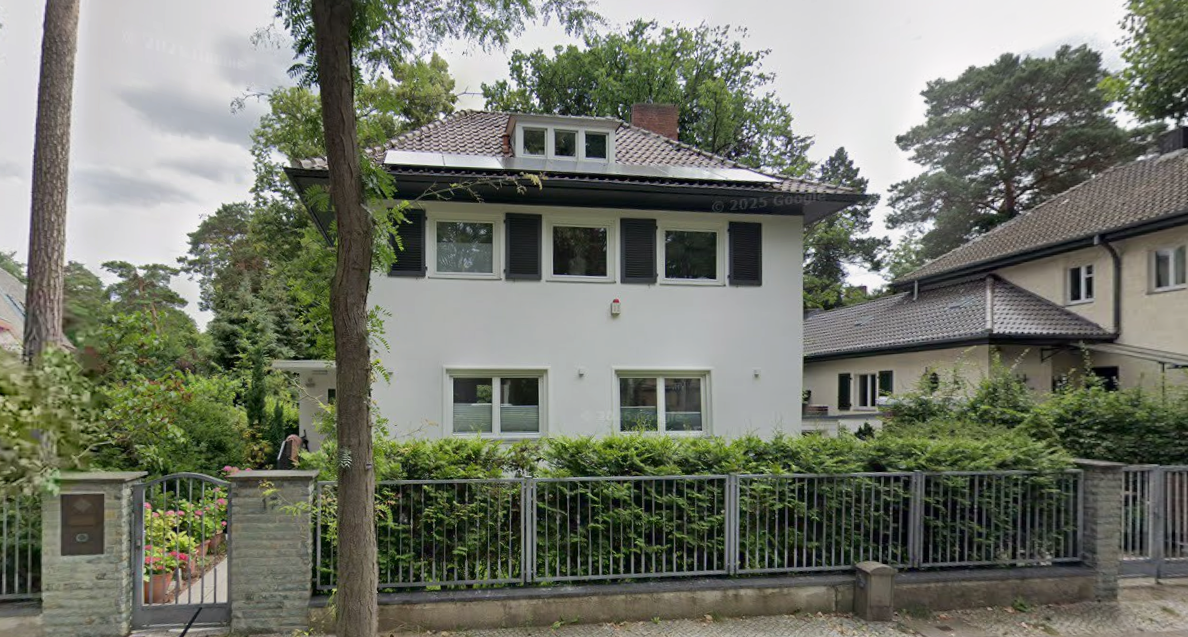
Canaris’s old home in Schlachtensee, Berlin, where Heydrich visited regularly before transferring to Prague
Canaris used this frequently to protect fellow members of the German Resistance (Der Widerstand) plotting to overthrow Hitler, appointing them to Abwehr positions to put them beyond the reach of the Gestapo. He also smuggled Jews out of Germany and delayed passing on information which would hamper such activities.
However, by 1942, Heydrich's constant scheming and a series of intelligence failures blamed on the Abwehr forced Canaris to agree to a revised version of the Commandments essentially stripping his organisation of all but meaningless responsibilities, such as monitoring enemy radio stations and producing false papers for spying abroad.
On May 18 that year, the new Ten Commandments were signed at Prague Castle as Heydrich watched on triumphantly. He did not live to enjoy his victory. Nine days later, he was ambushed by a Czech hit squad on his way to work and died in excruciating pain in hospital.
His SS superior, Heinrich Himmler, never implemented the new Ten Commandments either, most probably because he preferred to have the Abwehr as both a whipping boy for future intelligence debacles, and so that Der Widerstand lines of communication to the Americans and the British would remain open now that the war was turning decisively against Germany.
